

Perhentian Islands in Malaysia: Your Ultimate 2026 Travel Guide
I’ve spent two weeks backpacking the breathtaking Perhentian Islands in Malaysia, and I’m excited to share a comprehensive guide based on my personal experiences. These islands are not only a hidden gem in Southeast Asia but also a place that blends crystal-clear waters, diverse marine life, and a laid-back vibe perfect for both adventurous underwater travelers and those seeking peace and quietness.
Quick In and Out Tips:
- Best season: April to October—the island is mostly closed during monsoon
- No ATMs: Bring enough cash for food, tours, and boat transfers
- Why go: Affordable island escape, white sand beaches, and great diving
- Location: Off the northeast coast of Peninsular Malaysia. View on Google Maps
- Flying in: Best to arrive via Kuala Lumpur. How to get to the Perhentian Islands
- Getting there: 1-hour flight from Kuala Lumpur + boat transfer from Kuala Besut
- Visa: Visa-free entry for most US, EU, and Australian (check latest rules)
- Where to stay: Budget homestays available on the islands, most on Long Beach
- Internet: Mobile data works on most beaches, but speeds vary—wifi is not great!
- Ideal stay: How many days to spend on the Perhentian Islands

Many travelers combine the Perhentian Islands with a stop in Kuala Lumpur, since most international flights arrive there first. If you have a day or two before heading to the islands, here’s a complete guide to things to do in Kuala Lumpur, including food streets, temples, viewpoints, and easy half-day activities.
I have created this content free of charge for my readers. Some links could contain affiliates.
Using the links here is at no additional cost to you and helps me keep my blog open for others. Thank you!
What are the differences between Perhentian Island Kecil and Besar
One of the first questions I asked myself when planning my backpacking trip to the Perhentian Islands was whether I should stay on Perhentian Kecil or Perhentian Besar. The answer largely depends on what kind of experience you’re looking for.
Perhentian Kecil: A Backpacker’s Paradise
Perhentian Kecil is known for being more budget-friendly, attracting younger travelers and backpackers. If you’re looking for a laid-back vibe, small beach bars, and affordable accommodation, this is the island for you. It’s also great for solo travelers or groups of friends who want to socialize with fellow adventurers.
The beaches on Kecil, especially Long Beach, are stunning. I loved spending my afternoons lounging on the soft sand, watching the waves roll in. At night, the beach comes alive with bonfires and music. It’s a fun, relaxed atmosphere that’s hard to beat.
☕ Buy Us a Coffee
Our content is 100% free for everyone to enjoy. If it’s been helpful, a small donation would help us a lot in keeping the blog open for everyone. Thank you!
Perhentian Besar: Peace and Luxury
In contrast, Perhentian Besar offers a quieter, more upscale experience. If you’re after a romantic getaway or a family-friendly trip, this is the island to choose. The resorts here are more expensive, but the tranquility and space you get make it worth it.

Besar also has some incredible beaches, but they’re less crowded than those on Kecil. I spent a lot of time on Tuna Bay, which felt like a hidden gem. The peaceful surroundings and clear waters made it feel like my own private paradise.
How to Get to the Perhentian Islands in Malaysia
Getting to the Perhentians is an adventure in itself, and there are different options to choose from. Here is an overview based on each location:
Kuala Lumpur to Perhentian Islands Flights or Bus
If you’re coming from Kuala Lumpur, you can either take a flight to Kota Bharu or opt for an overnight bus that heads directly to Kuala Besut.
The bus takes approximately 9 hours and is decent in comfort. Price: approx. 44 RYM. $10 You can book your ticket through here
The flight takes 1 hour, and it takes another 1 hour from the Kota Bharu airport by taxi to Kuala Besut. It leaves from terminal 1, and you can enter the domestic part. We were literally through security within 5 minutes. We could leave everything in our bags, and there was no crowd. This was our best airport experience ever. So there’s no need to come 2 hours in advance when flying domestic from KL.
At Kuala Besut, you have a desk where a kind lady helps you directly with taxi and ferry tickets. Taking a taxi solo costs between 70 and 90 MYR, you can share with others for a cheaper price.


- Personal Taxi from Kuala Lumpur—I wouldn’t recommend it, as it’s expensive, uncomfortable, and takes a long time.
Singapore to Perhentian Islands
If you’re starting your journey from Singapore, getting to the Perhentian Islands in Malaysia is still straightforward. You can take a flight from Singapore to Kota Bharu, with a short layover in Kuala Lumpur. From there, follow the same steps. You can also take the bus, which takes 12 to 15 hours.
- For the bus from Kuala Lumpur, check the timetable and prices
- I’ve written a comprehensive guide for the bus that runs from Singapore to Kuala Lumpur.
The Kuala Besut Jetty
Your Boat Transfer to the Perhentian Islands
- Cost: 35 MYR each way
- Where to pay: Right at the harbor, there is a small stall.
- Timetables: Between 8am and 5pm / back until 4pm
- Total Time: 30-45 minutes, depending on the crowd and if you can get off first.
- There is a Marine Park conservation fee. RM30.00/adult & RM15.00/child.


The best time to visit the Perhentian Islands
Timing your trip to the Perhentian Islands in Malaysia is crucial for making the most out of your visit. Unlike some destinations, these islands are heavily impacted by the monsoon season, so it’s important to choose your travel dates wisely.
Low Season
The months are April, May, June, September, and October. These are the more budget-friendly periods, also without the large crowds. During off-peak times, rates are sometimes negotiable.
Peak season
The peak season in the Perhentian Islands in Malaysia occurs between July and August, attracting the highest number of visitors & backpackers. Prices for accommodations, tours, and activities tend to rise significantly during this time. I recommended planning and booking early to secure a spot.
Popular beaches and dive sites can get crowded, but the vibrant atmosphere is part of the experience for many travelers. With ideal weather conditions, this period offers the best opportunities for diving, snorkeling, and soaking in the beauty of the islands.
The monsoon season
November and March. You can expect more rain and rough seas, and most resorts are typically closed from the end of October through the end of February. Many resorts close, and services are limited, so it’s best to avoid traveling during this period.
If you’re planning your backpacking trip, aim for the dry season from March to October. I visited in September/October, which was perfect as the weather was still good, but the crowds had started to thin out, giving me a more relaxed experience.
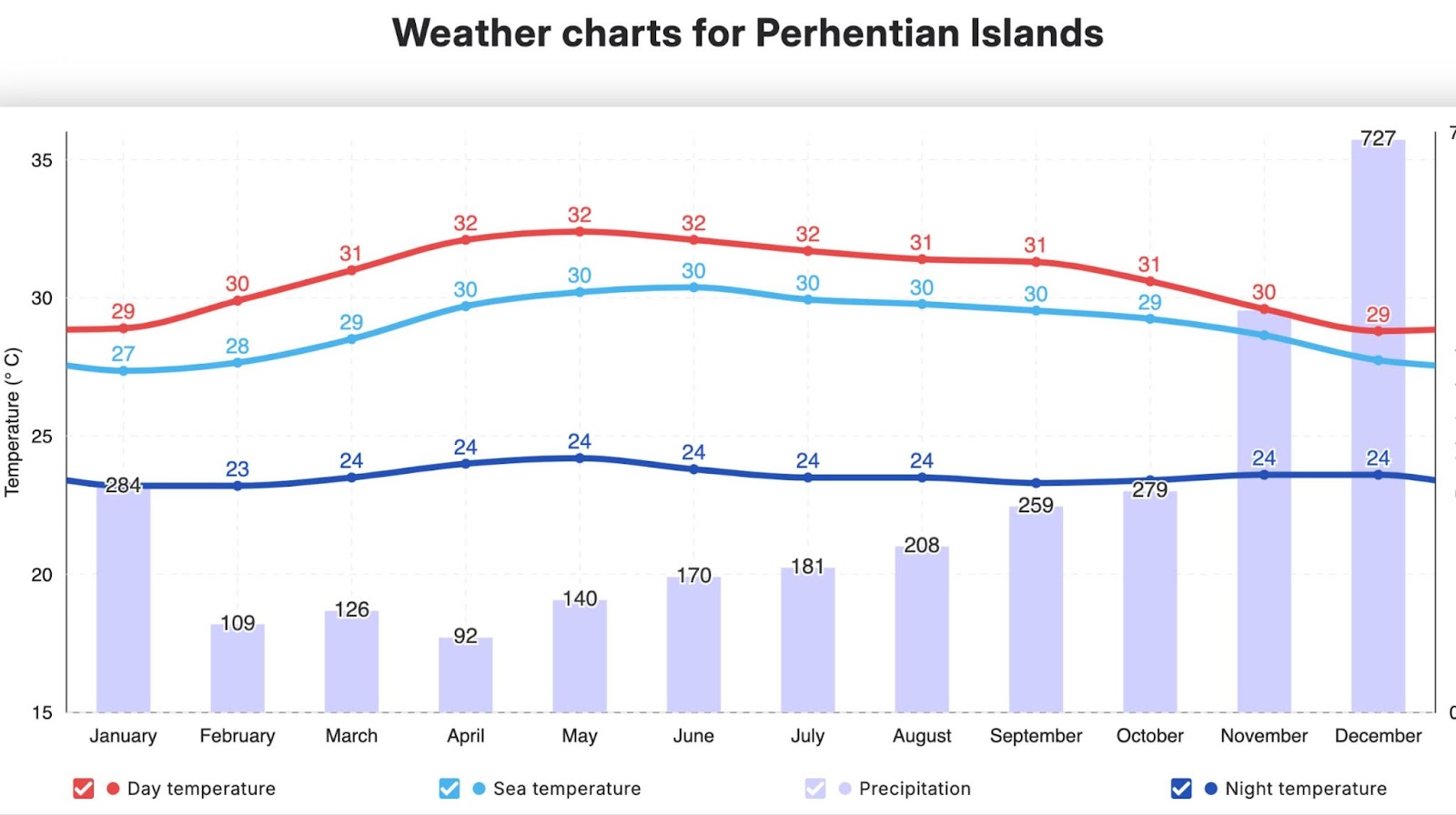
Below is a weather chart of the Perhentian Islands with rainfall and temperatures per month.
Diving in the Perhentian Islands
If you’re a certified diver, or if you’ve always wanted to try diving, the Perhentians are the perfect place to explore the underwater world. With a large number of dive sites around the islands, there’s no shortage of breathtaking spots to discover.

The best part is, they are one of, if not the cheapest in the world! Make sure you go to a PADI-certified diving shop; the prices here are around 100-140 MYR per dive if you have the PADI open water license already or want to have a single exploration dive. Price depends on operator and dive site.

We did a few dives with Bubbles Dive Resort on Pulau Perhentian, and it was a highlight of my trip. The visibility was fantastic, and I saw everything from reef sharks to vibrant coral gardens.
Some guidance and tips while diving:
- Avoid touching the coral reefs or any marine life. Even a slight touch can harm them, so it’s best to observe from a distance.
- Use reef-safe sunscreen. Many sunscreens contain harmful chemicals that can damage the reefs, so be sure to choose one that’s eco-friendly.
- Don’t litter. This one goes without saying, but it’s essential to make sure any trash is disposed of properly, especially on the beaches or in the jungle.
Snorkeling on Pulau Perhentian
Snorkeling is one of the top activities on the Perhentian Islands, and it’s easy to see why. The waters around the islands are incredibly clear, and the coral reefs are bursting with life. I had some of my best snorkeling experiences around Coral Bay and Turtle Bay. You’ll find all kinds of marine creatures here, from colorful fish to curious turtles.
Most resorts and dive shops offer affordable snorkeling tours for a small price. You can also rent gear for the day and head out on your own.


Hiking in the Perhentian Islands, Malaysia
For those who love a bit of adventure, hiking is a must-do activity on the Perhentians. I explored several jungle trails that led to hidden beaches and panoramic viewpoints. One of my favorite hikes was from Coral Bay to Long Beach on Perhentian Kecil. It’s a relatively easy hike that takes about 20 minutes, and the views along the way are breathtaking.
There are also longer treks if you’re up for more of a challenge. The hike to Windmill Point offers spectacular views of the ocean and surrounding islands. Just make sure to bring plenty of water and wear good shoes. The jungle can be quite humid and put on bug repellent!
Don’t know how to plan everything or don’t have the time?
I can create custom itineraries, send a message to book in a free quick call.
Coral Conservation Efforts
One thing I noticed throughout my stay was the increasing effort toward coral conservation. The Perhentian Islands Malaysia, like many tropical destinations, are facing environmental pressures, and resorts have started promoting eco-friendly practices to protect the delicate coral reefs.

Above here is a great team that focuses on marine life preservation offer several volunteer programs. I also learned that some resorts are involved in coral planting projects. These initiatives aim to restore damaged coral areas, and if you’re interested, many of the dive centers offer opportunities to get involved. It’s a great way to give back to the environment while enjoying your vacation.
Where to Stay on the Perhentian Islands
We stayed in several places across both Perhentian Kecil and Perhentian Besar during our two weeks on the islands, and the difference between areas is noticeable within the first day. Where you stay will shape your experience more than anything else — especially when it comes to noise, swimming conditions, and how social or quiet your evenings are.
Budget Stays & Homestays (Backpacker Style)
Most budget travelers stay on Perhentian Kecil, particularly around Long Beach and Coral Bay. This is where we spent our first nights, mainly because it’s easy to arrive without a plan and find a room close to the beach.
Rooms are basic and occasionally a bit rough around the edges, but the location makes up for it. We learned quickly that carrying a backpack while checking a few places in the heat is not ideal, so I’d still recommend booking at least the first night in advance, especially during busier months.
What to expect:
Fan or AC rooms, simple bathrooms, and prices that usually sit between 100–160 MYR per night, depending on season and comfort level.
Mid-Range Stays (Best Balance)
After a few nights near Long Beach, we moved to Coral Bay, and the difference in atmosphere was immediate. Evenings were quieter, swimming felt easier, and sunsets became part of our daily routine.
Mid-range stays here work well if you want:
- Quieter nights
- Easy snorkeling straight from the beach
- Restaurants within walking distance
This area is ideal if you want comfort without paying resort prices.
Resorts & Family-Friendly Stays
For more space and privacy, Perhentian Besar is the better option. We stayed a few nights on Besar and noticed right away how much calmer it felt compared to Kecil.
Resorts here are spread out, beaches are less crowded, and mornings are slow and peaceful. It’s a great choice for couples or families who prefer relaxing days rather than moving between beaches and bars.
Package Deals (When They Make Sense)
We booked a short dive package during our stay, and it simplified everything. Packages usually include accommodation, meals, and snorkeling or diving, and they’re often offered by dive resorts.
If you’re planning to dive or stay longer, packages can save both time and money—especially during high season when prices go up.

Day Trip Redang Island and Island Hopping
If you’ve got the time, I highly recommend doing a few day trips to explore the surrounding islands. You can easily arrange an island-hopping tour from Perhentian Kecil or Perhentian Besar. These tours usually include stops at some of the best snorkeling spots, along with a visit to Pulau Rawa or Pulau Susu Dara, which are smaller, uninhabited islands nearby.
If you’re up for an adventure, take a boat to Redang Island or Lang Tengah Island, which offer more incredible diving and beach activities. Redang Island takes about 45 minutes with a tour boat. We had a tour for 150 MYR $35 each and visited 2 snorkel sites near Redang Island and got dropped near our next resort.
How many days should you stay at the Perhentian Islands
Depending on what your intentions are at the island. Do you want to learn how to scuba dive and get your PADI certificate or Advanced, then you can easily stay here 2 weeks.
When you want to explore the different parts of the islands and also go to Redang Island, then also take some time for that.
If its just for seeing the beaches and a few parts of the island, 5-7 days should be more than enough. Even 3 days should give you a great idea of what the island has to offer.

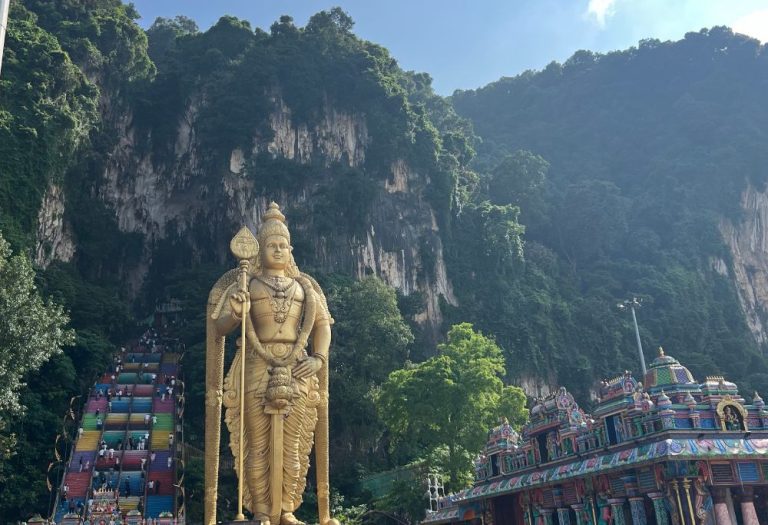
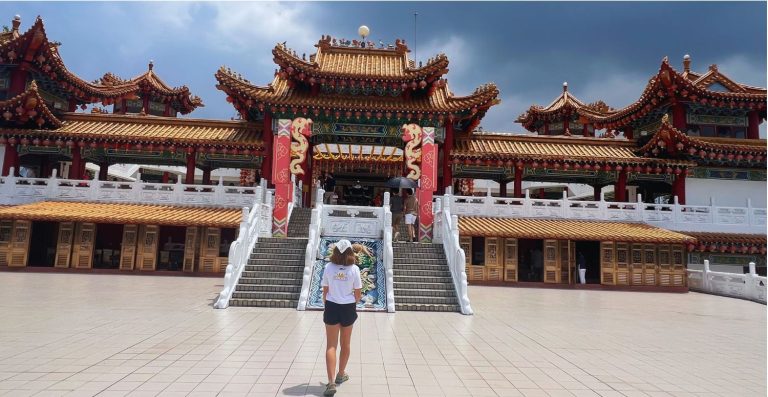
Most travelers pass through Kuala Lumpur on the way to the Perhentian Islands, and it’s worth spending at least a day in the city. From street food at Jalan Alor to the iconic Batu Caves and quieter spots like Thean Hou Temple, Kuala Lumpur adds culture, food, and contrast before or after island time.
The Best Beaches on the Perhentian Islands
During my time on the Perhentians, I made it a point to visit as many of the beaches as possible. Each beach has its own unique charm, and depending on what you’re looking for, you’ll find a perfect spot to relax or explore.
1. Long Beach (Perhentian Kecil)
Long Beach is the most famous beach on Perhentian Kecil and is where most of the action happens. This is the place to be if you’re looking for a lively atmosphere with plenty of bars, restaurants, and a vibrant nightlife. The beach itself is long and spacious, with powdery white sand and clear waters that are perfect for swimming.

2. Coral Bay (Perhentian Kecil) Perhentian’s Hidden Gem
Coral Bay is one of the most beautiful beaches I’ve ever seen. Despite its name, the beach has a soft sandy shore and calm waters perfect for swimming. It’s less crowded than Long Beach, which makes it ideal for relaxing after a day of hiking or snorkeling.
One of my favorite moments on the islands was watching the sunset over Coral Bay. The sky turned into shades of orange and pink, and the peaceful sound of the waves made it feel like time stood still. If you’re visiting the Perhentians, don’t miss the chance to experience this stunning beach for yourself.
3. Turtle Beach (Perhentian Besar)
For something more secluded, Turtle Beach on Perhentian Besar is a hidden gem. It’s a bit harder to reach, but if you can get here, you’ll be rewarded with pristine sands and the chance to spot turtles nesting during the right season. The water here is also ideal for snorkeling, with a variety of marine life to observe.
Activities on and around the Islands
If you’re staying on the Perhentian Islands for an extended period, I recommend taking a few-day trip inland to the Cameron Highlands. After spending time in the tropical heat, the cooler temperatures of the highlands are a welcome change. The Cameron Highlands offer beautiful rolling hills, tea plantations, and plenty of opportunities for hiking and sightseeing.

The Bus from Cameron Highlands to Perhentian Islands
The journey to the Cameron Highlands can be done by ferry back to the mainland, followed by a bus or private transfer. I recommend 12GoAsia through here to check for times and bookings. Price approx. 120 MYR €25 / $28. Although it takes some time to get there, the stunning views and cool climate make it a worthwhile detour, especially if you need a break from the beach.
Nightlife on Perhentian Island: Is it There?
The Perhentians aren’t known for a wild party scene, but Perhentian Kecil has a lively nightlife, particularly around Long Beach. This is where you’ll find beach bars offering drinks, fire shows, and even the occasional DJ set. The vibe is relaxed but fun, and it’s the perfect way to wind down after a day of snorkeling or diving.
For something more low-key, Coral Bay offers a more chilled-out evening atmosphere, with fewer crowds and quieter bars. I spent a few nights here enjoying a cocktail while watching the sunset, and it was the perfect way to end the day.
Exploring the Local Culture on the Perhentian Islands
One of the things I appreciated most about my time on the Perhentian Islands Malaysia was the opportunity to get a glimpse into the local way of life. The islands may be small, but the sense of community is strong, especially in the local villages on Perhentian Besar. Here, you can interact with the locals, learn about their customs, and perhaps even join in a small celebration or event.

The Perhentian Islands are part of the Terengganu state, and the local culture is largely influenced by Islam. While the islands are primarily a tourist destination, it’s important to be respectful of local customs, especially in more conservative areas.
I noticed that while tourists on the beaches are dressed casually, it’s a good idea to cover up when walking through villages or dining at local restaurants out of respect for the local culture.
Exploring the local cuisine on the Islands
After two weeks here, I can confidently say that the food on the Perhentian Islands is not one of my highlights. You’ll find a mix of local Malay dishes alongside more Western options, particularly in the more touristy areas of Perhentian Kecil. But as in most islands, the variety is limited and as a foodie myself, its not of high or nutritious quality.

For seafood lovers, they offer more as they bring in plenty of fresh catches. Many of the beachside restaurants serve grilled fish, squid, and prawns, often with a simple marinade of garlic and lime.
Getting Around the Perhentian Islands
One of the things I found interesting is that there are no roads on the Perhentian Islands, just walking paths and boats. Most of the time, I walked from one beach to another, which gave me the chance to explore the natural beauty of the islands. However, when you need to cover more ground, water taxis are the way to go, they are cheap and fast.


Water taxis can also be used for day trips to the smaller surrounding islands or for excursions like snorkeling tours. I made use of these services several times and found that it was an affordable and fun way to get around.
Prayer Time Malaysia
You would probably like to know why I am putting this here. Well, if you have ever been to the local islands in the Maldives, you would know that the loud megaphones will start early and throughout the day to announce the prayer times.
The local community on the islands here is mostly Muslim. You will hear it everywhere on the island, but some parts are a lot more intense than others depending on where you are.
Daily prayer times in Malaysia
The Floating Mosque
The Perhentian Islands are not only known for their crystal-clear waters and vibrant marine life but also for the striking Perhentian Floating Mosque, or Masjid Terapung Perhentian.
Located off the coast of Perhentian Kecil, this architectural building, which cost a whopping $3 million to make, appears to float gracefully on the water during high tide, offering a serene and spiritual sight to both locals and visitors.

The mosque’s design combines traditional Islamic architecture with local influences, making it a peaceful place for worship and reflection. Accessible via a short walk from Fishermans Village (The local part of Kecil) or from a quick boat trip from other parts of the island.
8 Useful Tips for Traveling to the Perhentian Islands
1: Pack Light: Since getting to the islands involves a boat ride, it’s easier to travel light. The tropical climate means you won’t need much more than beachwear and light clothing, so leave the heavy luggage behind.
2: Stay Hydrated: The sun can be intense, so always carry a bottle of water with you. Many of the resorts offer refill stations, so you can easily stay hydrated throughout the day or just buy a bottle at one of the many restaurants or shops for 50 cents.
3: Bring your own SPF & medicine. They only have small local shops on the islands.
4: Limited Wifi: Most mid- and low-range accommodations don’t have WIFI, especially not in the rooms. We had 4G, which worked great but limits the use of data.
Find a cafe that has wifi and air conditioning to do the heavy online lifting. On Long Beach, we stayed at Cafe Espresso, which had both. Also Fisherman Village, our guesthouse, had reasonable wifi in the room.
5: Rooms with or without AC. Basic rooms with a fan cost around 100 MYR (€22/$24). With AC it goes up to 160-200 for the same room on Long Beach, and most of the places have these prices. Fisherman Village, the more local part of the island, has more affordable rooms with AC. Approx. 110 MYR per night for a 2-person AC room.
6: Insect repellent: With the jungle backdrop of the islands, mosquitoes are a given, especially around dusk. I carried insect repellent with me at all times, and it was a lifesaver, especially when you go into the jungle.
7: Make sure to bring cash because there are no ATMs. There are a few restaurants and several quality hotels and resorts that accept credit cards.
8: Alcohol is difficult to find on the island because it is religiously oriented, and most shop owners do not offer it. Some western restaurants and hotels do. Just be aware it’s a bit pricier.
Conclusion: Are the Perhentian Islands
in Malaysia Worth Visiting?
After spending time on both Perhentian Kecil and Perhentian Besar, I can confidently say that the Perhentian Islands are absolutely worth visiting. Whether you’re a backpacker on a budget, a couple looking for a romantic getaway, or a family seeking an adventurous vacation, these islands offer a little something for everyone.
The beautiful beaches, incredible marine life, and tranquil vibe make the Perhentian Islands a great destination in Malaysia. What sets them apart from other islands in Southeast Asia is their balance between development and natural beauty. There’s enough infrastructure to make your stay comfortable, but not so much that the islands lose their authenticity.
If you’re considering a trip to Malaysia and love the idea of immersing yourself in nature, the Perhentians should be at the top of your list. The chance to dive with sharks, snorkel alongside turtles, and hike through the island’s jungles is an opportunity not to be missed. Just remember to pack light, respect the environment, and take a moment to simply breathe in the beauty that surrounds you, and you will have an incredible time, just like we did!
☕ Buy Us a Coffee
Our content is 100% free for everyone to enjoy. If it’s been helpful, a small donation would help us a lot in keeping the blog open for everyone. Thank you!
Here are some of our other recommended guides in Malaysia

⭐⭐ Share this post. ⭐⭐
Have you been to the Perhentian Islands, or are you planning a visit?
I’d love to hear your thoughts, questions, or expectations — feel free to share in the comments.
