

Chinatown Kuala Lumpur & Petaling Street – The Ultimate 2026 Guide
If you love street food like I do, bargain shopping, and rich culture, Chinatown Kuala Lumpur and Petaling Street is the place to be. Whether it’s your first visit or your tenth, there’s always something new to discover. This guide will show you everything you need to know to make the most of your trip to one of KL’s most iconic spots!
As an affiliate, I may earn a small commission for purchases on the links provided at no extra cost to you – disclaimer.
Exploring Petaling Street Market: What to Expect
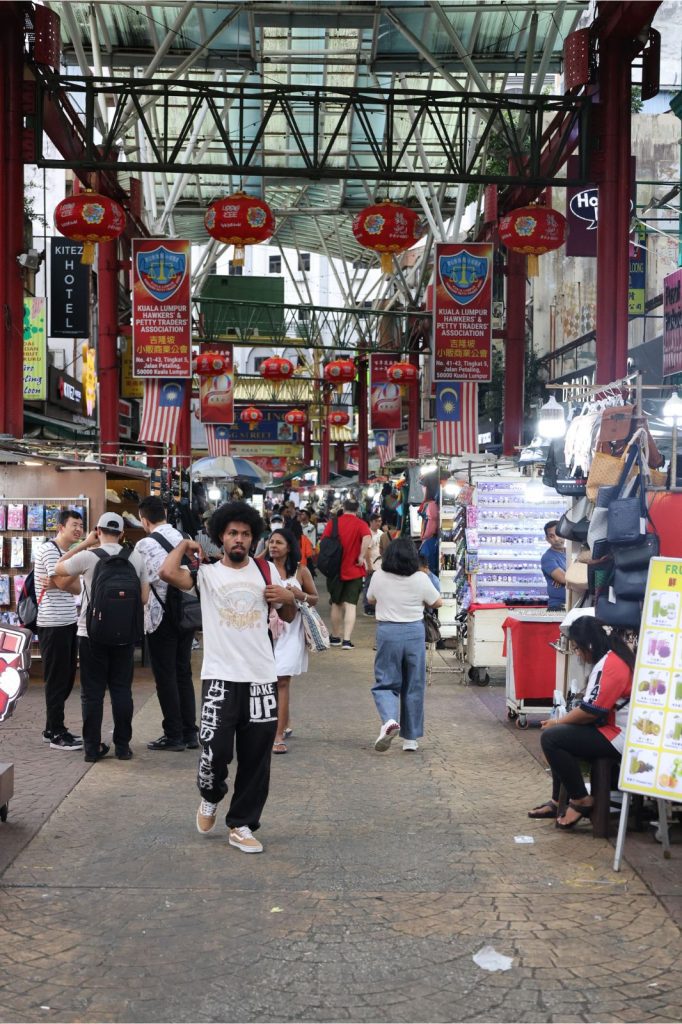
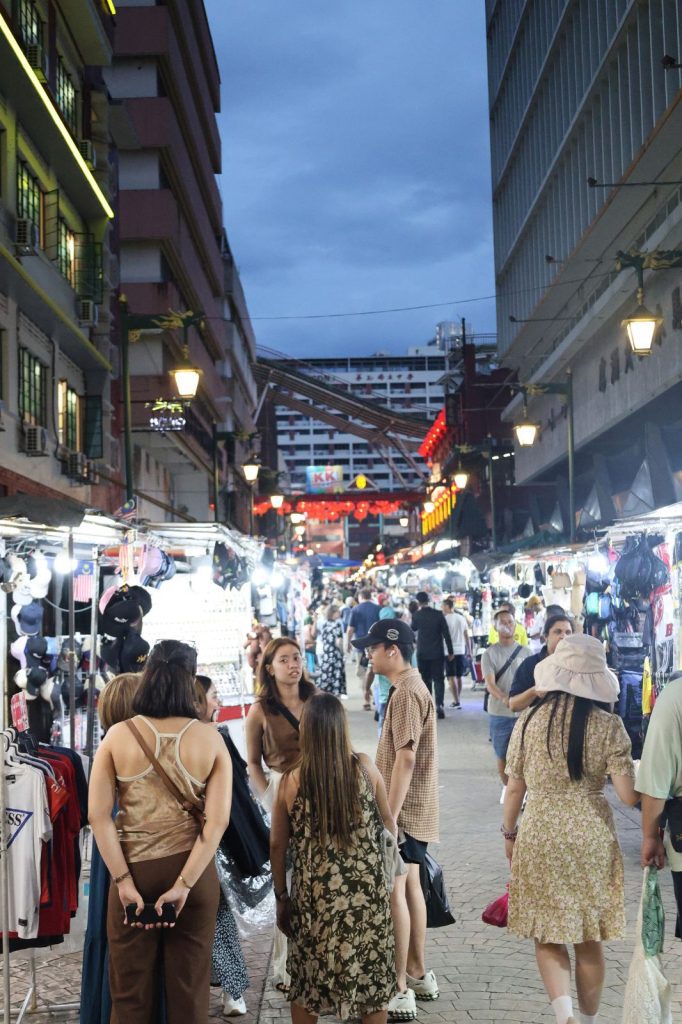
Stepping into Petaling Street Market is like diving into a whirlwind of colors, sounds, and scents. The narrow walkway is packed with stalls selling everything imaginable, while vendors call out their latest deals.
The mix of locals, tourists, and street food smells, creates an energy that keeps this market alive from morning until late at night.
What You Can Buy in Petaling Street
If you love shopping, Petaling Street is a great place for bargain hunters. You’ll find:
- Imitation designer goods – From branded handbags and wallets to watches and sneakers, this is the place to test your bargaining skills.
- Souvenirs & trinkets – T-shirts, keychains, fridge magnets, and Chinese calligraphy make great gifts to take home.
- Chinese herbs & teas – Traditional medicine shops sell everything from ginseng to herbal ointments, alongside premium Chinese tea leaves.
- Street Food – This is ofc the best part! More on that below.
Bargaining Tips: Haggling is part of the experience here as it is in most of Asia, and vendors expect it! Start by offering half the price, and work your way up. Always stay polite but firm, and if the price isn’t right, we always walk away. Chances are, they’ll call you back with a better deal or you can likely find it in another stall.
Best Street Food to Try at Petaling Street
One of the best reasons to visit Petaling Street Market is the mouthwatering street food. My daughter and I love this part, and it’s one of our biggest reasons we so love South East Asia and especially Malaysia. The mix of Chinese, Malaysian, and local flavors makes this a foodie paradise, with dishes that have been perfected over generations.
Whether you’re looking for a great meal or a mix of small snacks, here are some must-try dishes and where to find them.
Must-Try Dishes
🍲 Claypot Chicken Rice – This smoky, flavour-packed dish is cooked in a traditional claypot over charcoal, giving the rice a crispy, slightly charred edge. The chicken is marinated in soy sauce and served with Chinese sausage and salted fish. Try it at Hon Kee Claypot Chicken Rice, a local favorite known for its rich flavors.
🍜 Nasi lemak – One of our favourites. Simple and perfect for breakfast or lunch, nasi lemak is the national dish of Malaysia.
🍜 Hokkien Mee – This thick, dark noodles dish is stir-fried in a rich, umami-filled black soy sauce with prawns, pork, and crispy pork lard. The best versions are cooked over a charcoal flame for that smoky “wok hei” flavour. Look for Kim Lian Kee, a legendary stall that has been serving Hokkien Mee since 1927.


🍈 Durian & Local Fruits – Love it or hate it, durian is a must-try in Malaysia! Known as the “King of Fruits”, its a unique taste and smell, but we always take it when traveling and seeing it laid out on the markets.
Local tip: Don’t bring Durian fruit with you to the hotel. It attracts insects because of the strong smell and most hotels have forbidden it and even fine tourists when seeing it on the room.
☕ Buy Us a Coffee
Our content is 100% free for everyone to enjoy. If it’s been helpful, a small donation would help us a lot in keeping the blog open for everyone. Thank you!
Where to Find Hidden Street Food Gems
- Madras Lane Hawker Stalls – Tucked behind Petaling Street, this area is famous for Chee Cheong Fun, Laksa, and Yong Tau Foo.
- Kim Soya Bean – A refreshing stop for homemade soya bean milk and silky smooth tau fu fa (soybean pudding).
- Air Mata Kucing – A famous stall serving longan herbal drink, perfect for cooling down after spicy food.
No trip to Chinatown Kuala Lumpur is complete without indulging in its incredible street food. Whether you’re a foodie or just looking for a snack, Petaling Street is the perfect place to eat your way through KL’s flavors!
Tips for ChinaTown Kuala Lumpur
🕓 Best Times to Visit:
Late afternoon into the early evening is the sweet spot. The market starts buzzing after 4 PM, and by 6 PM, the whole area lights up, literally and figuratively. Mornings are quieter if you want space to breathe and take photos.
🚫 Watch Out for Knock-Offs:
If it looks too good to be true, it probably is. That “Gucci” belt for RM20? Definitely not the real deal. Enjoy the browsing and bargaining, but don’t expect authenticity unless you’re shopping for food or traditional items.
💸 Bring Cash & Stay Alert:
Most stalls still deal in cash, and small change goes a long way here. ATMs are nearby, but it’s easier to come prepared. Also keep your belongings close. It’s generally safe, but pickpockets love a busy street.
The Food Experience at ChinaTown
If there’s one thing that keeps pulling me back to Chinatown again and again, it’s the food. This place is a street food paradise, and even after multiple visits, I still discover new dishes tucked into narrow lanes or served from humble pushcarts. You don’t need a fancy restaurant to eat well here, just an open mind and an empty stomach.


One of my first stops was Hon Kee Porridge, a decades-old breakfast stall famous for its silky rice porridge. I had a plain version with spring onions, sesame oil, and crispy fried dough sticks on the side. It cost just RM5, and for vegans or vegetarians, it’s easy to ask for a version without meat or fish toppings. Warm, comforting, and so simple, it hit the spot after a long morning walk.
One other gem I stumbled upon was a small pushcart near the intersection of Jalan Sultan and Jalan Hang Lekir. They served popiah fresh spring rolls packed with turnip, carrots, and crushed peanuts in a paper-thin wrap. Light, crunchy, and only RM3 per roll. I bought two and sat on the curb to eat, people-watching as the evening crowd grew thicker and people lined up for food.
Chinatown’s food scene is split between chaotic street stalls and old-school kopitiams (traditional coffee shops). Both are worth exploring. Stalls are faster and cheaper, but the kopitiams give you that nostalgic, vintage feel. Think metal tables, plastic stools, fans slowly turning overhead, and the sound of spoons clinking against ceramic cups.
Don’t know how to plan everything or don’t have the time?
I can create custom itineraries, send a message to book in a free quick call.
A Few Places I Loved Eating At in China Town KL
- Hon Kee Porridge – A must for breakfast. Light, warm porridge with optional toppings. Vegan-friendly if you ask.
- Kim Lian Kee – Chinatown’s famous Hokkien Mee spot. Go early before seats fill up.
- Popiah Cart (near Jalan Hang Lekir) – A hidden gem for light vegan-friendly street rolls.
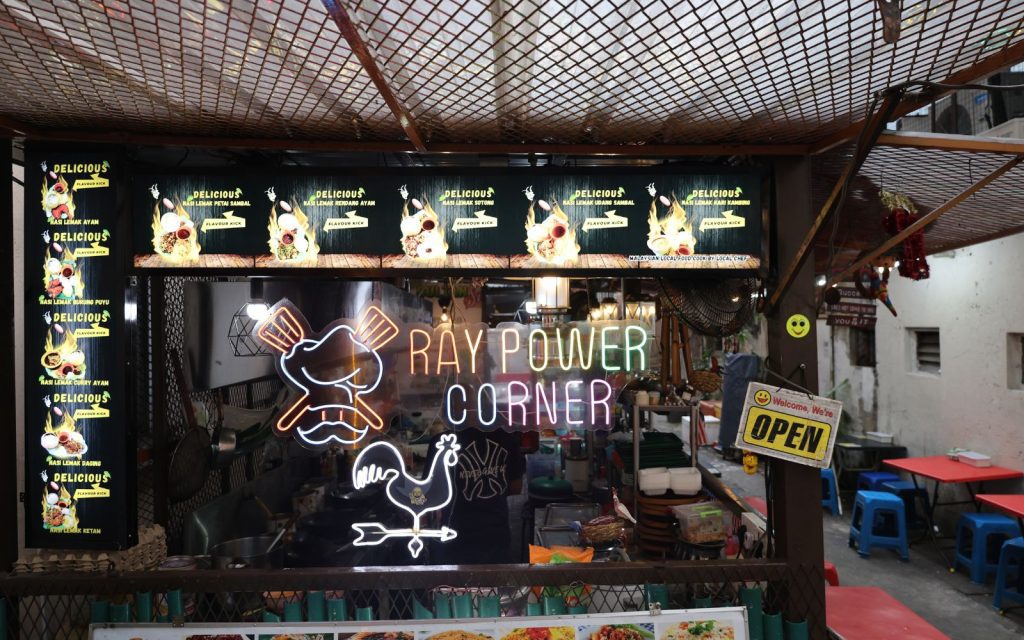
- Ray Power Corner – Great wok
What to Expect from the Street Food Scene
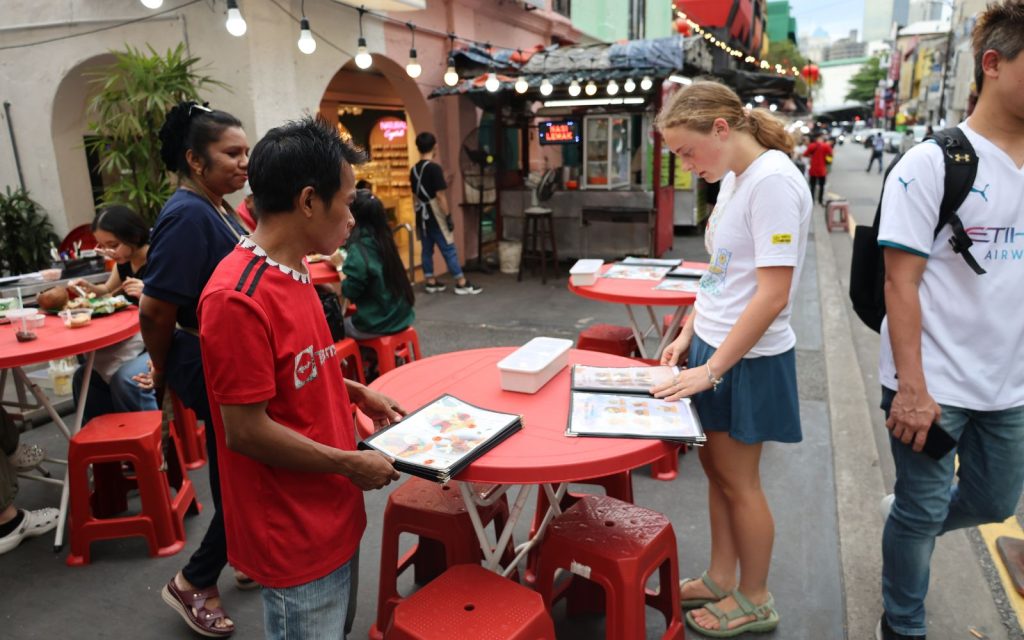
Get ready for crowds, especially after 6 PM. The air fills with the scent of garlic, sizzling oil, grilled meats, and herbs. Vendors shout orders and laugh with customers. The energy is fast-paced, but somehow relaxed.
Seating can be a challenge. Many stalls offer plastic stools and shared tables. You just squeeze in and make friends with whoever’s sitting nearby. Hygiene? It’s decent, but bring tissues or hand wipes, and avoid raw food from less-busy stalls.
Ordering like a local means pointing, smiling, and being open to surprises. Most vendors speak some English, and many stalls have pictures or bilingual menus. Don’t be shy to ask questions, they’re used to curious visitors and love to tell about their trade.
Hidden Temples & Cultural Gems
Amid the noise and movement of Chinatown KL, I always find a strange sense of peace slipping into one of its many hidden temples. It’s like stepping into another world. A slow, sacred one, which is just a few steps away from the busy market streets.
One of my favorite places to pause is the Guan Di Temple on Jalan Tun H S Lee. From the moment I stepped inside, the air shifted. The smell of thick incense swirled around me, curling into the air like slow-moving spirits.

Just a short walk away, the Sri Maha Mariamman Temple stands in beautiful contrast. With a lot of colors, carvings, and ritual. It’s the oldest Hindu temple in Kuala Lumpur, and I arrived during a mid-morning prayer session. The priests were chanting, bells ringing, and a woman near me offered marigolds at the feet of a statue while her toddler watched wide-eyed.
One of the temple volunteers noticed me lingering at the entrance and gently waved me in, telling me I was welcome to look around. Just no shoes and no photos inside the inner sanctum.
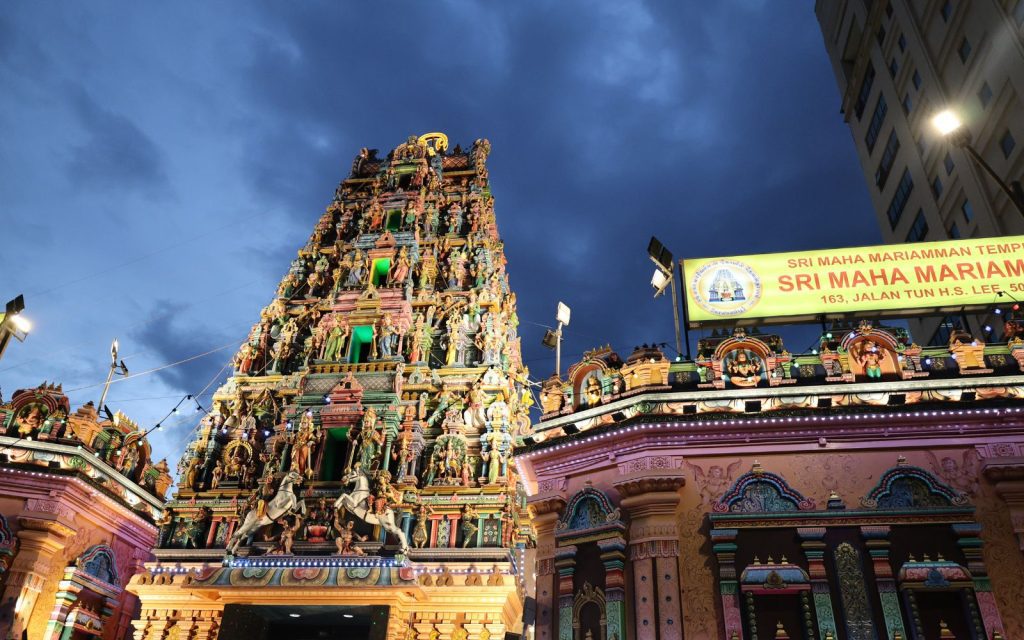
These small moments, where spirituality and everyday life intersect, are what make Chinatown KL more than just food and shopping. They add depth, history, and a deep respect for the traditions that have lived here for generations.
How to Be Respectful When Visiting Temples
👚 Dress Modestly:
Wear clothes that cover your shoulders and knees. If you’re not dressed appropriately, some temples offer shawls or sarongs at the entrance.
👣 Take Off Your Shoes:
This is a must. Always remove your shoes before stepping into any temple, even if it’s just a small shrine.
🙏 Be Mindful of Ceremonies:
Avoid walking in front of people who are praying. Keep your voice low, don’t use flash photography, and never interrupt any ritual or offering. A smile and a quiet nod go a long way.
Murals, Markets & Old Charm
Whenever I need a breather from the bustle of Petaling Street, I slip into the quieter backstreets and that’s where the real magic often happens.
Wandering down Jalan Panggong and nearby lanes, I found heritage shophouses with creaky shutters and fading paint, standing alongside newer cafes and galleries. The contrast is beautiful, with old and new coexisting effortlessly.
One wall surprised me with a massive mural of a local coffee seller, so detailed it felt alive. I paused to admire it, and a nearby shopkeeper told me it was painted just recently. “People stop here now,” he said, proudly.
I ducked into a small tea shop, caused by the lovely scent. The owner offered me a jasmine tea and told me her grandmother started the shop. I walked out with a small packet and a smile.
Close by is also the famous Jalan Alor Street Food Market, the largest and most famous market in Malaysia. I have written an extensive blog about this unique market.
How to Get to Chinatown and Getting Around Kuala Lumpur
Getting to Chinatown in Kuala Lumpur is super easy, and honestly, it’s one of the reasons I keep coming back. The most convenient way is by MRT or LRT. Just hop off at Pasar Seni station, which connects both lines. From there, it’s less than a 5-minute walk to the heart of Petaling Street. You’ll know you’re close when the air starts to smell like grilled skewers and herbal tea.
Once you’re in the area, you won’t need any transport at all. Chinatown is completely walkable. The streets are narrow and often packed with people, so walking is the easiest way to soak everything in. Plus, you’ll stumble upon hidden spots that you’d miss from a car or bike.
I recommend going in the morning before 11 AM or late afternoon after 5 PM. That way, you can avoid the midday heat and the biggest crowds. Petaling Street really starts to come alive closer to the evening, especially with the food stalls firing up. But if you want photos with fewer people or just a calmer vibe, aim for early.
Wear comfy shoes, bring water, and get ready to wander. It’s the best way to experience this vibrant pocket of KL.
When you come from Singapore, find here all the information on how to get to Kuala Lumpur
Accomodation Recommendations
Ascott Star KLCC Kuala Lumpur, a new 5-star serviced apartment hotel in the heart of Kuala Lumpur City Centre, is about 2.2 km (1.4 miles) from Chinatown, a quick 7-minute drive or a 30-minute walk, making it a convenient base for exploring both modern and cultural hotspots.
My stay in 2023 at this chic property was unforgettable. The spacious one-bedroom Premier apartment felt like a stylish home with a Nespresso machine, full kitchenette, and stunning Petronas Twin Towers views.
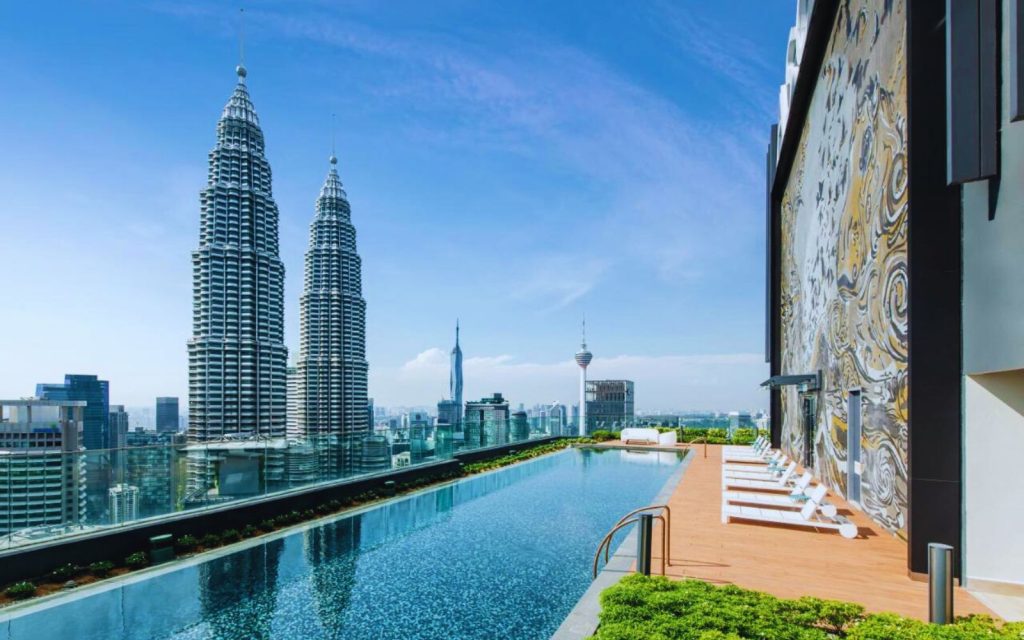
The rooftop infinity pool was a highlight, perfect for soaking in the KL skyline, and the staff’s warmth, like surprising my friend with a birthday treat, made it special. Despite the average to-go breakfast, the location near Suria KLCC and the luxurious amenities make it a top pick for families or business travelers.
🏨 You can book this amazing hotel through this link
Lanson Place Bukit Ceylon:
A luxurious serviced apartment hotel in Kuala Lumpur’s Golden Triangle at 0.75 miles from Chinatown’s Petaling Street approx 15 minute walk. During my stay in 2025, I was impressed by the spacious one-bedroom apartment, featuring a comfortable king-size bed, a sleek kitchenette with a microwave and coffee machine, and floor-to-ceiling windows great city views especially at night.
The infinity pool overlooking the KL skyline was a great escape, rivaling any rooftop gem, while the gym, sauna, and kids’ play area added nice activities during my stay. The staff’s genuine hospitality, like their quick help with local dining tips for Chinatown, elevated my experience. I definately enjoyed my stay here, it felt new, modern and inviting.
🏨 You can book this hotel through this link
Final Thoughts – Why Chinatown Kuala Lumpur & Petaling Street Left a Mark on Me
Every time I walk through Chinatown in Kuala Lumpur, it hits me differently. Sometimes it feels chaotic and loud. An overwhelming mix of smells, colors, and voices. Other times, it feels strangely grounded, like this neighborhood, with all its layers of culture, food, and history, is reminding me to slow down and take it all in.
What makes this and Petaling Street special isn’t just the street food or bargain stalls. It’s the stories tucked between murals, the quiet temples just steps from the market, the way locals call out with a smile even if they’re trying to sell you something. There’s life here. Real, unfiltered, beautiful life.
Don’t know how to plan everything or don’t have the time?
I can create custom itineraries, send a message to book in a free quick call.
Would I recommend it? Absolutely. Whether you’re a solo traveler, a family with kids, or someone chasing local and healthy street eats, Chinatown has something for you. It’s a place where you can spend a quick hour or an entire day and still feel like there’s more to discover.
Tips? Go early or late to beat the heat. Bring small cash, and take your time. Be curious. Be respectful. Try something you’ve never tasted. And most of all, don’t rush it. This is a part of Kuala Lumpur that deserves to be felt, not just seen.
Want to grab a complete map with all activities and best places to visit in Kuala Lumpur?
We turned all our experiences and activities, which we carefully selected with highlights, things to do, viewpoints, cafés, and practical stops in one interactive map. Open it on your phone, find all the activities visually, and adjust on the go.
⭐⭐ Share this post ⭐⭐
☕ Buy Us a Coffee
Our content is 100% free for everyone to enjoy. If it’s been helpful, a small donation would help us a lot in keeping the blog open for everyone. Thank you!


Great guide to Chinatown KL! Love how you covered Petaling Street, street food, and the cultural spots beyond shopping. The practical tips make it really useful for first-time visitors. Definitely a must-read for anyone exploring Kuala Lumpur.